Image classification of rerajahan ulap-ulap Bali using MobileNetV2 architecture
Keywords:
Rerajahan Ulap-Ulap Bali, Image Classification, MobileNetV2, Data Augmentation, Cultural HeritageAbstract
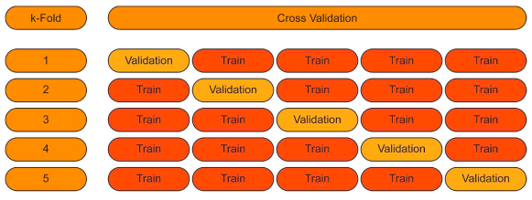
Rerajahan Ulap-Ulap is a visual expression in Balinese Hindu culture that functions as a sacred element in the mlaspas ritual of buildings, containing sacred scripts and specific ornaments. The visual complexity of these motifs presents a challenge in accurately recognizing their types, necessitating a technological approach to support the documentation of this cultural heritage. This study aims to develop an image classification model using the MobileNetV2 architecture with a transfer learning method. The research utilized a primary dataset of 810 original images across nine motif classes, expanded through augmentation to 3,888 images (432 per class) to address data limitations and prevent overfitting. Model performance was evaluated using a 5-Fold Cross Validation method across three optimization scenarios: AdamW, Nadam, and Adagrad. Experimental results demonstrate that Scenario 1 (AdamW) achieved superior performance with an average accuracy of 98.64%, followed by Nadam (98.52%) and Adagrad (71.23%). These findings indicate that the combination of MobileNetV2 and AdamW optimization provides a reliable solution for automated classification of rerajahan, serving as a digital instrument to support Balinese cultural preservation efforts.
Downloads